
Vibe coding to make money can work if you treat AI like a fast assistant, not a magic income button. The real money is usually in solving a clear problem, shipping something useful, and charging for speed, clarity, or convenience. If you want a straight answer, yes, you can earn from it, but only when you pair fast AI output with good judgment, basic product sense, and a way to reach buyers.
Vibe Coding to Make Money
Here is the simple truth. The people who do well with vibe coding are not just prompting models and hoping for the best. They pick small, valuable problems, use AI to move fast, then clean up the result until it feels reliable enough to sell.
Speed helps, but trust closes the sale. That means you need something a buyer can understand in seconds. A landing page, a small app, a workflow tool, a script, or a service package can all work if they save time or reduce pain.
Think of vibe coding as a way to compress the build cycle. Instead of spending days writing every line by hand, you use AI to draft, test, revise, and ship faster. The income comes from the outcome, not from the prompt itself.
- Use AI to build faster.
- Solve one real problem.
- Charge for outcomes, not hype.
- Keep quality high enough to earn trust.
Quick Summary
Vibe coding can make money when you build practical things people already want, such as tiny tools, websites, automations, or service products. It works best when you keep the scope small, validate the need early, and charge for clear value instead of raw code. The fastest path is often a narrow problem, a simple offer, and a quick launch. For related context, our piece on is vibe coding good for learning? is worth a read.
What Can You Actually Sell?
You do not need to invent a huge app to start. In fact, smaller offers are often easier to sell because they are easier to explain and easier to finish. A buyer usually cares less about your stack and more about whether the thing works.
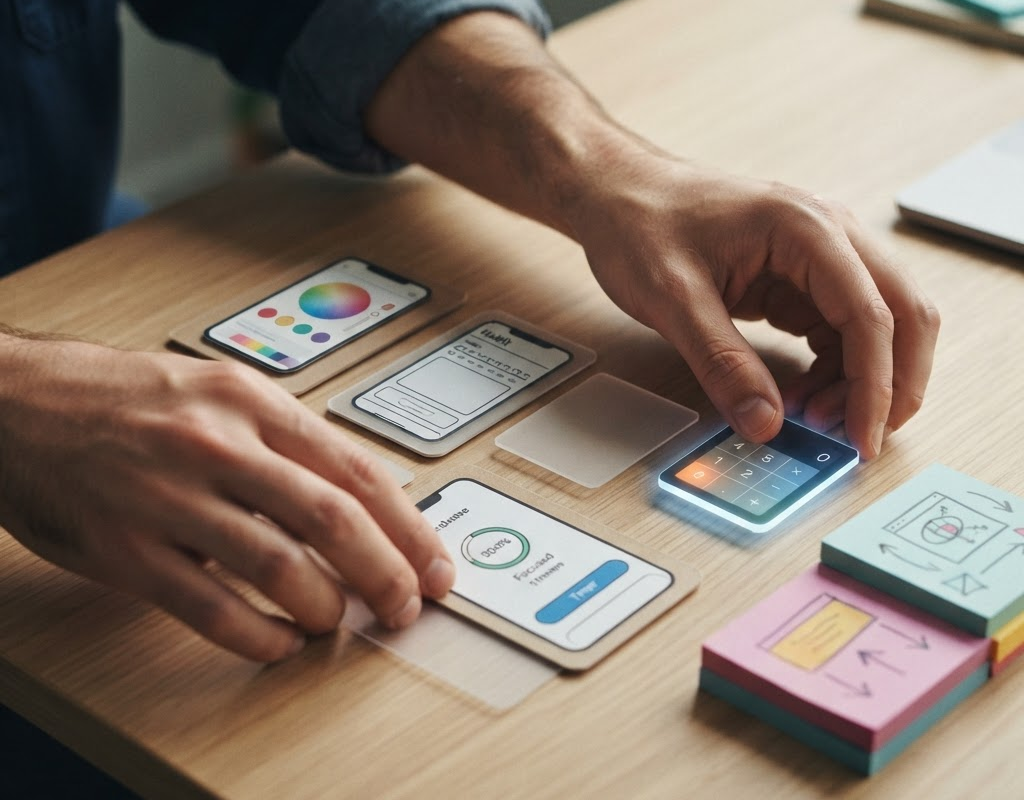
Start with boring problems. Boring often means profitable. If a task is repetitive, slow, or annoying, AI can help you package a fix. That is where vibe coding has a real shot at income.
Small Products That Can Earn
Simple internal tools, lead forms, calculators, content helpers, and niche dashboards can all be sold. You can also build browser tools, lightweight SaaS products, or one-off utilities for specific groups. The key is to keep the first version small enough to finish in days, not months.
A good test is this. If you can describe the product in one sentence and explain why someone would pay for it in one more sentence, you are on the right track. If the explanation turns into a long speech, the idea may be too broad.
Services You Can Package
Not every money path needs a product. You can also sell setup work, small automations, landing pages, prototype builds, or AI-assisted code cleanup. Many buyers want a finished result, not a lesson on how you made it.
This is where vibe coding can be especially useful. You can move faster than a manual process, but still deliver something polished. That speed can let you take on more jobs or quote a better price for a fixed-scope package.
How Do You Turn Fast Builds into Real Income?
Speed alone does not create revenue. You need a simple path from idea to offer to buyer. The best flow is usually problem, proof, product, then price. If you skip the proof part, you may build something neat that nobody wants.
Proof beats guesses. Before you spend a week building, talk to a few likely users. Ask what they already do, where they waste time, and what they would pay to remove. You do not need a giant market study. You need enough signal to avoid building in a vacuum.
Validate Before You Build
Try a plain landing page, a mockup, or even a short message to a small group. Describe the benefit in simple words. If people lean in, ask what they would expect to pay or what would stop them from buying.
That kind of early feedback saves time. It also helps you avoid a common trap, building a clever tool that sounds exciting to creators but feels unnecessary to buyers.
Choose a Pricing Model That Fits
You can charge a one-time fee, a monthly subscription, or a service rate. The right choice depends on what you made and how often people use it. A small automation or website setup may fit a fixed price. A tool that runs every month may fit recurring billing.
Do not overthink pricing at the start. Pick a simple number that feels fair for the value and your time. You can refine it later after you see how people respond.
People do not pay for your prompt. They pay for the thing that saves them time, stress, or extra work.
What Skills Matter Most?
You do not need to be a genius developer to start. But you do need enough skill to review AI output, spot weak code, and make small fixes. If you cannot judge the result, it is hard to sell with confidence.

Judgment matters more than speed. Vibe coding is useful because it lowers the cost of trying ideas. It does not replace the need to understand what you are shipping.
The Core Skills Worth Learning
Start with the basics of HTML, CSS, JavaScript, and simple backend logic if you want to build web products. If you prefer automation, learn how APIs work and how to connect tools safely. If you want to sell services, learn how to turn a messy client request into a clean brief.
You should also learn how to test your work. Even simple checks can catch broken forms, bad edge cases, or logic errors that would hurt trust. AI can draft fast, but you still need to verify.
How Much Technical Depth Do You Need?
Enough to understand the product, not necessarily enough to hand write every line. If you are a beginner, start smaller. If you are more advanced, you can use vibe coding to accelerate prototypes, client work, and internal tools.
The sweet spot is being just technical enough to ask better questions. That makes the AI output more useful and your final work more dependable. In practice, that often matters more than chasing perfect code from the start.
Where Does Vibe Coding Work Best?
The best opportunities usually sit close to a real workflow. Think of a small business, a solo creator, a recruiter, a marketer, a teacher, or a support team. If a job has repeatable steps, there is often room for a small tool or a smarter process.
Look for daily friction. Money tends to live where people feel repetitive pain. The more often the pain shows up, the easier it is to justify a purchase.
Good Fits for Beginners
Beginners often do well with niche websites, simple dashboards, form generators, content tools, and small automations. These are easier to scope and easier to explain. They also let you learn the full cycle, from build to feedback to revision.
If you are trying to make money fast, focus on offers you can complete in a few hours or a few days. That keeps momentum high and makes it easier to improve the next version.
Where People Get Stuck
The most common problem is overbuilding. It feels safer to add features, but extra features can hide the real value. Another problem is weak positioning. If no one can tell what the tool does, it becomes hard to sell.
Some people also rely too much on AI output and ship rough work. That can damage trust fast. A simple, clean, useful product beats a flashy one with broken edges.
What Are the Main Risks?
Vibe coding is useful, but it has limits. AI can produce code that looks fine and still fails in real use. It can miss edge cases, create security gaps, or generate awkward logic that works once and then breaks later.

Never ship blind. Check important flows yourself. Test forms, payments, logins, permissions, and anything else that matters to the buyer. If you are not sure about a part of the build, slow down and inspect it.
Quality Control Keeps You in Business
Good money usually follows good delivery. That means reading the code, running tests, and making sure the user experience feels solid. A tiny bug in the wrong place can cost more time than writing that part carefully the first time.
You do not need perfection. You do need enough care that your product feels dependable. Buyers can forgive small rough edges. They do not forgive tools that fail at the one job they were hired to do.
Protect Your Time and Reputation
It is tempting to accept every idea that sounds easy. That is how people end up with scattered work and no real traction. Pick one lane for a while, learn what buyers respond to, and build from there.
Also avoid promising more than you can deliver. Fast AI work can create false confidence. It is better to underpromise and ship well than to talk big and struggle later.
Action Plan
Start by choosing one simple problem you understand well. Write down who has it, how often it happens, and why they would care. Then build the smallest useful version you can imagine.
Keep the first version lean. Your goal is not to impress other builders. Your goal is to learn whether a real person will use, buy, or recommend what you made.
After that, show it to a few likely users and watch their reactions closely. If they ask for the same improvement more than once, that is a strong clue. If they do not care, change the offer before you spend more time polishing it.
From there, pick one path. You can sell it as a product, package it as a service, or use it to support a larger freelance offer. The right route is the one that gets you feedback and revenue the fastest.
Reflection Questions
What Problem Do You Understand Well Enough to Fix?
Choose a pain point you have seen up close. That gives you better judgment and better language when you explain the value. It also makes it easier to spot whether AI output is actually useful.
Who Would Pay for Speed or Simplicity?
Think about people who are busy, under pressure, or stuck with a repetitive task. They are often the easiest first buyers. If your idea saves time, that is a strong place to start.
What Would You Need to Prove Before Charging?
Decide what proof matters most. It might be a working demo, a happy tester, a repeat use case, or a clear comparison to the old way. If you know the proof, you can build toward it with less guesswork.
Conclusion
Vibe coding to make money works best when you treat AI as a force multiplier, not the product itself. Build small, solve a real problem, test early, and charge for value that someone can feel right away. That is the practical path.
If you want to go further, keep learning how to judge AI output and how to package useful work into offers people understand. The more clearly you connect speed with value, the better your odds of turning quick builds into steady income.
FAQ
Can Beginners Use Vibe Coding to Make Money?
Yes, beginners can start with small tools, simple sites, or basic automations. The key is to keep the scope narrow and focus on a real problem. We explored a similar question in ai agents for productivity: a practical guide.
What Is the Easiest Way to Monetize Vibe Coding?
The easiest path is often a small service or a narrow product for a specific audience. Simple offers are easier to explain and faster to sell.
Do You Need to Be a Developer?
No, but basic technical skill helps a lot. You need enough understanding to check AI output, fix small issues, and know when something is not ready.
Is Vibe Coding Good for Freelancing?
Yes, it can help you move faster on client work, prototypes, and small builds. That speed can improve your margins if you still control quality.
What Should You Avoid When Trying to Make Money with Vibe Coding?
Avoid vague ideas, rushed launches, and shipping code you have not checked. Strong judgment matters more than raw output.