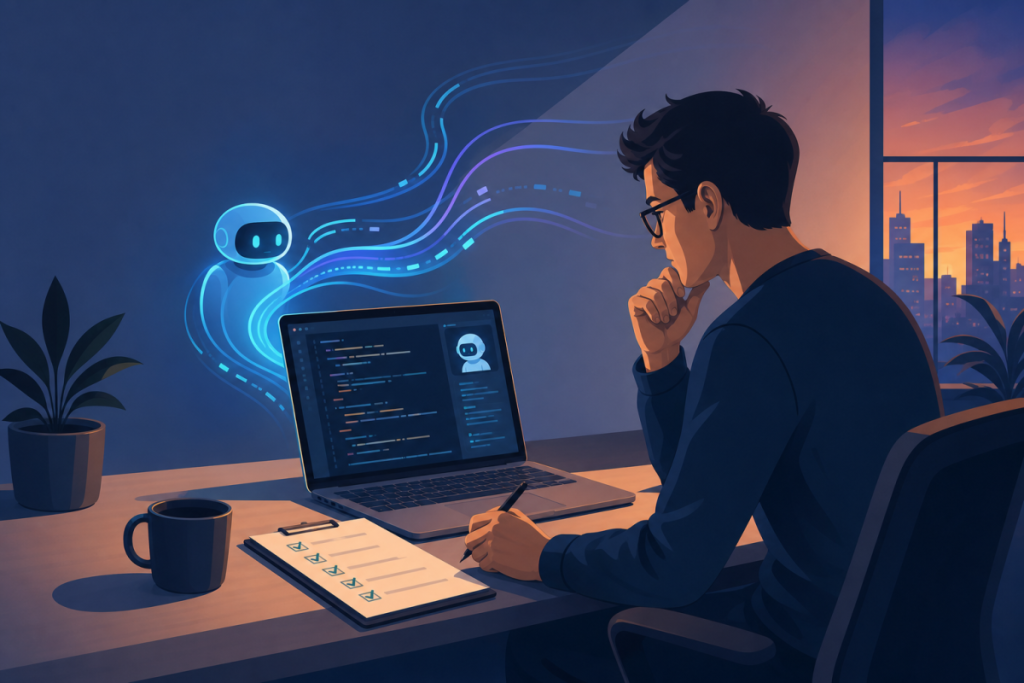
Is Vibe Coding Good Or Bad depends on how you use it. As a way to brainstorm with AI and move fast, it can unlock speed and flow. As a way to ship code, it can leak bugs and debt. The simple play is this. Use vibes to explore, then add guardrails to deliver. That blend gives you speed without regret.
Is Vibe Coding Good or Bad
Let us name the pattern so we can work with it. Vibe coding is when you guide the code by feel. You prompt an AI pair, sketch loose goals, and trust the output while you ride the momentum. It is not wrong. It is also not enough. The trick is knowing when to switch from vibes to verification.
Key Takeaways
- Vibes are for exploration. Use them to sketch ideas, draft scaffolds, and find patterns fast.
- Specs are for delivery. Add tests, constraints, and review before you merge or ship.
- AI helps both. Guide models with examples and checks, not only with adjectives.
- Cost hides in rewrites. Unchecked vibes become bugs, outages, and team confusion.
- Adopt a switch point. Decide when you leave brainstorming and enter engineering.
What Is Vibe Coding, Exactly?
Vibe coding is a shorthand for intuition-first programming with an AI partner. You hint at a style, show a rough example, and let the model fill gaps. It feels like jamming. You nudge, it riffs, you keep the parts that sing. Used well, it is a creative boost. Used alone, it is a blindfold.
The Emerging Pattern with AI Pair Programmers
Tools like GitHub Copilot, ChatGPT, and Claude make it simple to ask for code by feel. You can say you want a clean API that streams, uses a modern stack, and logs lightly. The model will propose a path and even write a full draft. This is a gift for momentum. It lowers the friction to try five paths in minutes.
I use this approach to sketch feature flags, parse quick CSVs, and wire a demo UI. The vibe is strong. You get flow and confidence. The guardrail comes later when you confirm what stays and what goes.
Vibes Versus Specifications
Specs force clarity. Vibes invite discovery. You need both. A spec says what must be true, what inputs and outputs look like, and where failure goes. A vibe says what good feels like. Shipping demands facts, not only feelings. The easy error is to let a feeling stand in for a contract. For related context, our piece on how to prompt claude fable 5 without old habits is worth a read.
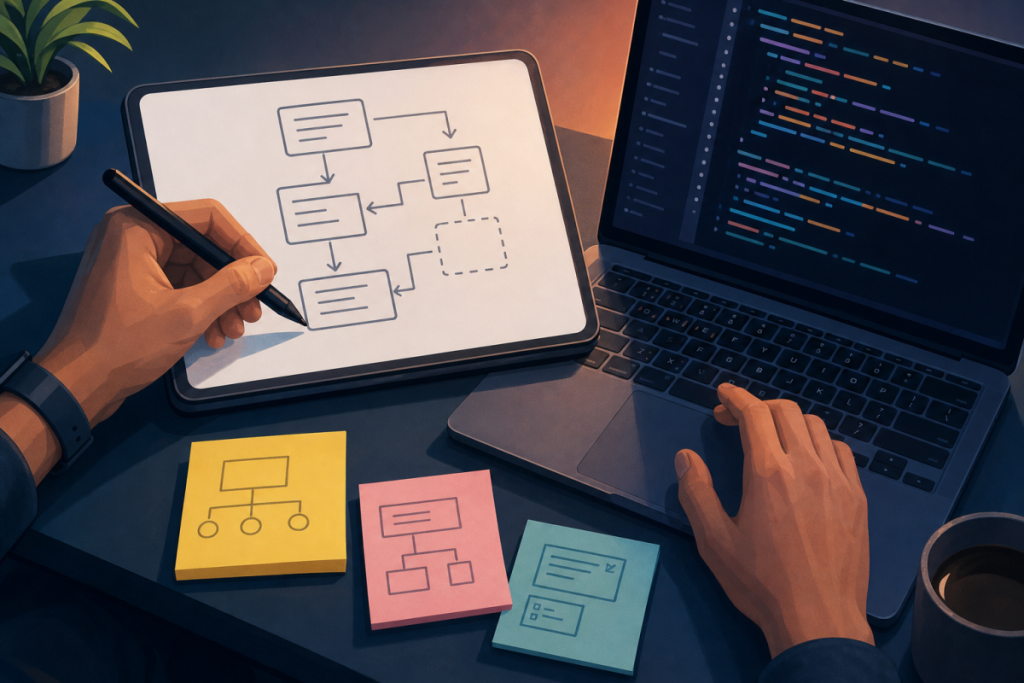
You can frame it like this. Let vibes explore the space. Let specs define the landing zone. Then let tests prove you have landed.
Why the Term Stuck
We say vibe coding because that is the real experience. You prompt with taste. You judge by rhythm. You chase that spark when the output clicks. It works because our brains love patterns. It fails because patterns can lie. "Looks right" is not the same as correct. Production code needs proof.
Is It Good or Bad in Practice?
Short answer. It is both. It depends on the phase and the stakes. In early discovery, vibes are great. In core logic and data paths, vibes can hurt. The line is not rigid, so you need rules you trust.
Fast Exploration and Idea Volume
Vibes speed up options. Want a tiny search feature with embeddings. Ask your AI pair for two approaches. One with a local vector store. One with a hosted service. Try both. Keep the better path. Fast options beat slow certainty early on. This gives you real traction in a day, not a quarter.
I often prototype migrations like this. I ask for a rough plan, get code mods and tests, then time box the run. The point is not perfection. The point is to learn what bites and what bends.
Hidden Debt and Flaky Behavior
Vibe drafts often hide small cracks. Silent failure, weak error handling, magic numbers, or copied snippets that pass only with lucky data. This becomes painful later. It shows up as alerts at 2 a.m. or as a partner app that breaks on a new locale.
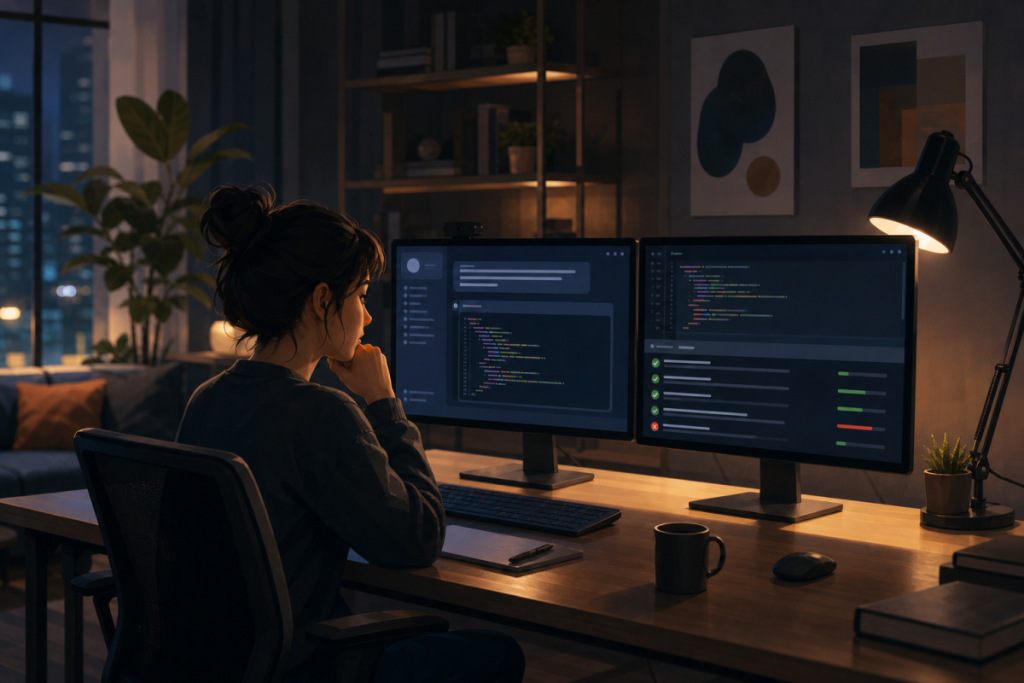
The cost is not only bugs. It is rework. You rewrite code that never had to be wrong in the first place. Debt sneaks in when no one names the contract. A clear spec and quick tests remove most of that pain.
Team Communication and Onboarding
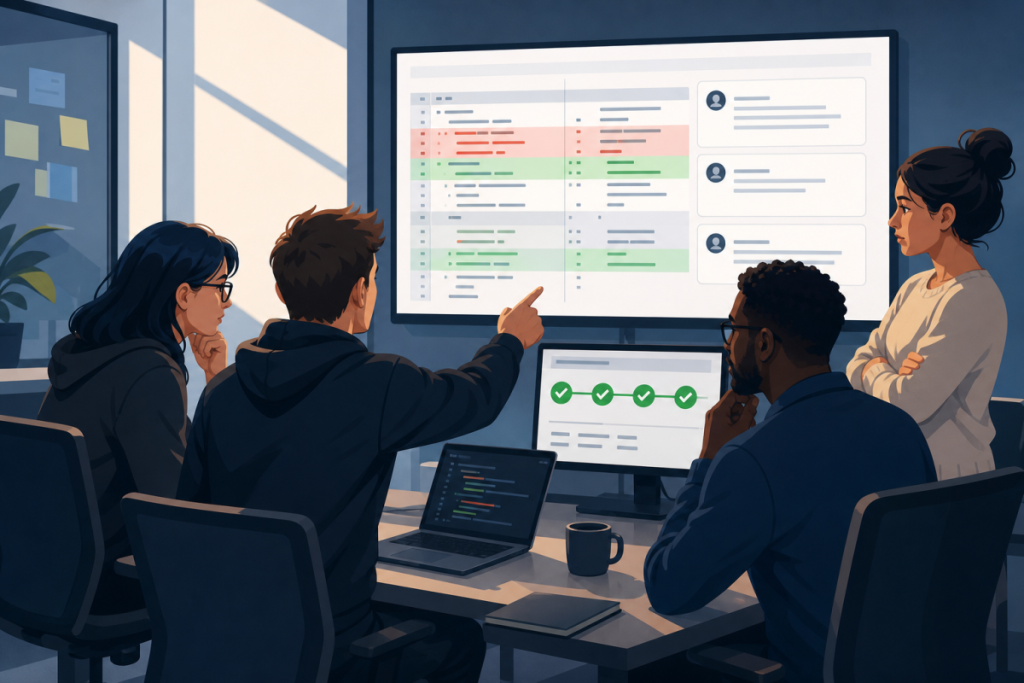
Vibes live in the builder, not in the repo. New teammates cannot read your taste. They need intent, comments, and structure. Without that, you get brittle pull requests and long reviews. You also get code that feels personal, which slows handoffs.
Fix this by making the vibe visible. Capture decisions in a brief design note. Name the tradeoffs. Tag the risks. Now the team can help you make it right.
How to Use It Without Breaking Things
You do not have to choose between jazz and a metronome. You can have both. Start loose, then tighten. Below is a practical cadence that has worked for me and for many teams I have coached.
Set a Guardrail Checklist
Make a tiny checklist that flips you from vibes to rigor. Keep it short. Five items fit in your head. Mine looks like this. Is there a clear input and output. Are error states named. Do we have one happy path test and one sad path test. Are magic values gone. Is logging or tracing enough to debug in one shot. Checklists protect momentum without killing it.
You can keep this in your issue template. When you hit three of five, you enter the engineering phase and slow down on purpose.
Shape Prompts with Constraints
Great prompts make vibe coding safer. Ask for a function signature. Pin the language and version. State the edge cases. Give a tiny example. Ask for a clear separation between core logic and I O. Then ask for short tests. Constraints are creative fuel for models. You get code that fits your project, not code that copies the internet.
If the model drifts, ground it with your own file names and types. Paste a small schema. Show a failing test. The AI will line up with your facts.
Test Like You Mean It
Do not wait to write tests. Add thin tests while you explore. You can replace them later. Add one property test for a key transform. Add a contract test for an API. Add a smoke test that runs in CI. Thin coverage early beats thick coverage never.
Make your AI write test stubs that run in your framework. Ask for table driven tests. Ask for inputs that look like your data. Push it to generate fakes that fail in loud ways, not silent ones.
Here is the move I repeat. I ask the model to propose a spec as comments above the function. Then I ask it to write tests that match the comments. Then I read the tests first. The tests reveal what the code thinks is true.

At this stage, I also add simple runtime checks. Assert types. Clamp ranges. Refuse empty strings. That is cheap armor. It stops bad states from spreading.
One more thought that helps land with teammates. "If we can write a one line example for it, we can test it." Keep that in your pocket when a fuzzy draft looks good but lacks a proof.
Vibes can find the path. Specs and tests keep you on it.
Use this rhythm on both greenfield and legacy work. When touching a fragile area, lead with a characterization test that locks current behavior. Then you can vibe in a safer box without surprise regressions.
Prompt craft matters here. If you use a model that supports tool use or structured output, ask for JSON plans or for function calls that match your tooling. Short, structured outputs are easier to verify than long essays.
You can also add a review pass with a different model. Ask it to act as a cranky reviewer. Tell it to list unhandled cases, risky I O, and race conditions. Again, keep it grounded in your own code, not generic advice.
Conclusion
So, is vibe coding good or bad. It is both in the same way a sprint is both fun and hard. Use it to explore fast. Then use specs, tests, and review to ship with pride. The shift is not a mood. It is a line in your process. Name the switch, and your team will move faster with fewer scars.
If you want to go deeper on prompt craft, look at methods that mix examples and constraints. They make vibe sessions sharp and safe. The payoff shows up in cleaner diffs, calmer releases, and code that ages well.
FAQ
What Does Vibe Coding Mean in Software?
It means guiding code by feel with an AI partner. You describe style and outcomes loosely, get quick drafts, and refine as you go. It is great for ideas. It needs tests to ship.
Is Vibe Coding Good or Bad for Beginners?
Good for learning patterns and seeing examples fast. Add small projects with tests to build real skill. Do not copy and paste blindly. Read every line the AI gives you.
Can I Use Vibe Coding at Work Safely?
Yes, if you add guardrails. Set rules for tests, reviews, and data handling. Keep private data out of prompts. Follow your team policy on AI tools.
How Do I Turn a Vibe Draft into Production Code?
Freeze a tiny spec. Write thin tests for happy and sad paths. Remove magic numbers. Add logging. Run a review pass that lists risks. Then refactor with the tests green.
Which AI Tools Are Best for Vibe Coding?
Coding copilots and chat models that read your repo work well. Pick one that can cite files, run tests locally, or follow structured prompts. Fit the tool to your stack.
How Do I Prompt Better Than Just Saying Make It Clean?
Ask for a function signature, constraints, and examples. Pin the language. State edge cases and failure modes. Request tests that match the spec. Keep prompts short and concrete.
What Are the Risks of Vibe Coding?
Hidden bugs, weak error handling, security gaps, and code that new teammates cannot read. These risks grow when no one writes a spec or tests before merge.
When Is Vibe Coding the Right Move?
Early discovery, UI sketches, glue code, and internal tools. Anywhere speed to insight matters more than polish, and where rollback is cheap.
When Should I Avoid Vibe Coding?
Core business logic, data migrations, auth flows, payments, and anything that could break privacy or trust. Use specs and tests first, then add vibes later.
How Do Teams Keep Speed Without Losing Quality?
Define a switch point. Prototype with vibes. Then require a short spec, tests, and review to merge. Keep a five point checklist to make the shift simple.
Does Vibe Coding Work with Strongly Typed Languages?
Yes. Types reduce guesswork and make AI drafts safer. Ask the model to honor types and to add compile time checks. Still add tests for behavior.
Can I Pair Vibe Coding with Tdd?
You can. Write a tiny test first, then let the AI fill the code. Use TDD to set the ground truth. Use vibes to move fast between tests.
How Do I Explain Vibe Coding to Non-Engineers?
It is like sketching before you draft the blueprint. You explore shapes and flows. Then you lock a plan and build to spec. Both steps matter.
What Metrics Show If My Approach Works?
Track lead time to first demo, bug rate after release, and rework time. You want fast demos with low post release fixes. If rework spikes, tighten your guardrails.
Does Vibe Coding Help with Legacy Refactors?
Yes, if you add a safety net. Start with a characterization test. Vibe to propose simpler shapes. Keep tests green with each step. Move in small, clear commits.